
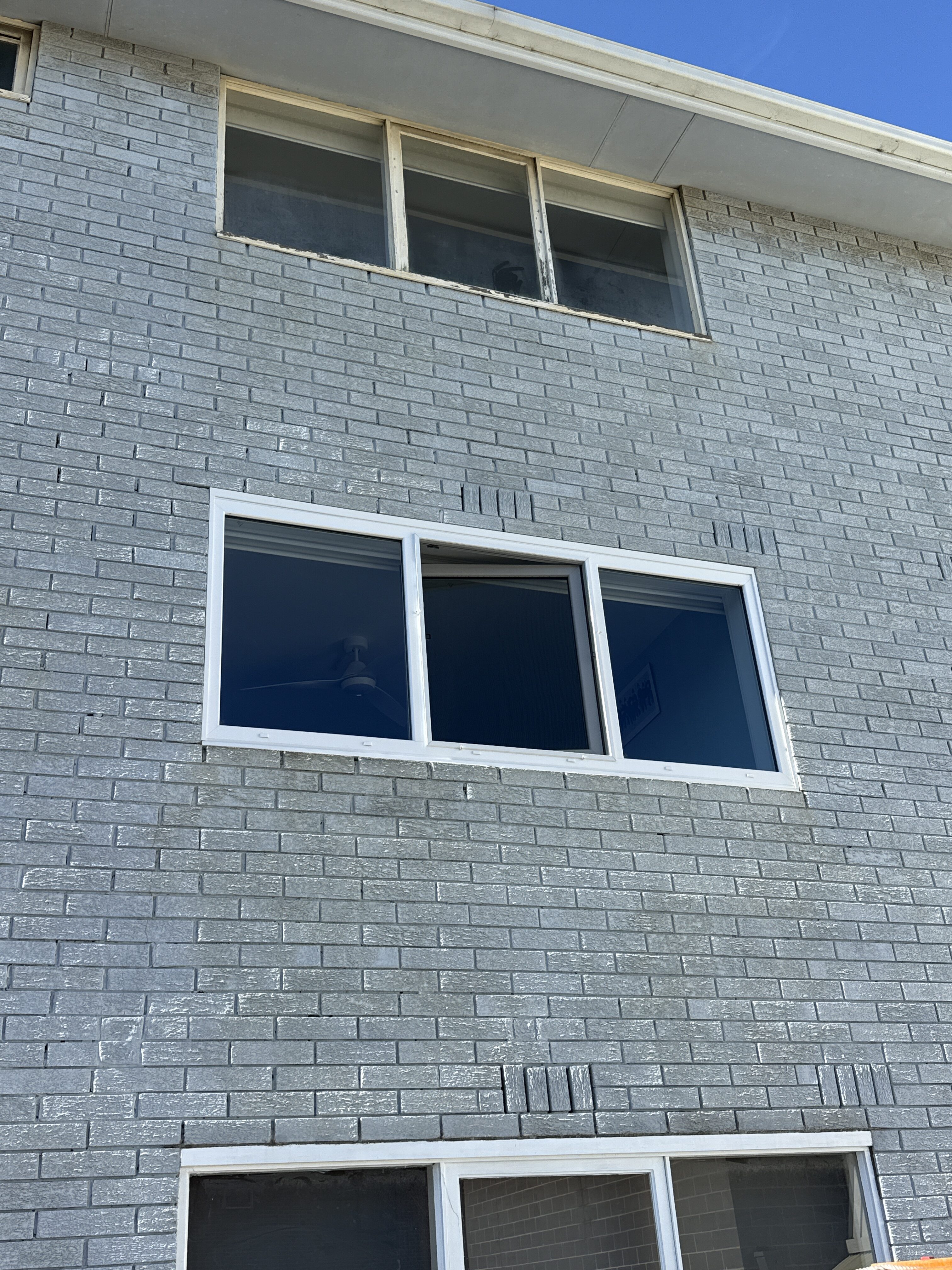



Yes. There are two ways to add double glazing to an existing window, and a third route (full replacement) for when the existing window is beyond keeping.
- Secondary glazing: a second pane fitted inside the existing window. Cheapest, reversible, best for heritage homes and rentals. Leaves the original frame, seals and hardware exactly as they were.
- Retrofit double glazing: the single pane is removed and a sealed double glazed unit is fitted into the same frame. Only works in deep, structurally sound timber frames with enough rebate depth for at least a 20 mm+ insulated glass unit overall.
- Full uPVC replacement: the whole window is taken out and replaced with a new, custom-made uPVC double glazed frame. Best thermal (whole-window U-value 1.6 to 1.7 W/m²K), best noise (Rw 32 to 34 standard, up to Rw 42 to 44 with acoustic laminated glass), 30+ year frame life.
- Aluminium-framed windows (most Melbourne homes from the 1970s to 1990s) almost always need full replacement. Aluminium conducts heat and cold through the frame itself, so a glass-only upgrade has a firm ceiling on how much it can improve comfort.
Can you double glaze existing windows?
Yes, and there are two ways to do it without removing the frame: secondary glazing (an extra pane fitted on the inside) or retrofit double glazing (the single pane removed and a sealed double glazed unit fitted into the same frame). A third route, full replacement, removes the whole window and installs a new custom-made uPVC double glazed frame. Strictly, that last route replaces the window rather than double glazing it, though in many older Melbourne homes it's what actually delivers the result people are after.
Whether keeping the existing frame is realistic depends on the frame itself. In an older Melbourne home, comfort depends less on the glass than on the frame, the seals, and how well the whole window is sealed into the wall. A 1985 aluminium slider loses heat directly through the metal and leaks air around worn tracks. No glass upgrade fully offsets that. So the first question is whether the existing frame is worth keeping at all.
Secondary glazing, retrofit double glazing, or full replacement?
1. Secondary glazing (add a pane, keep the window)
Secondary glazing adds a second pane of glass or acrylic to the inside of your existing window, creating an insulating air gap without removing anything. It's the cheapest of the three routes, it's reversible, and it's usually permitted in heritage-overlay homes where external changes to the window aren't allowed. The trade-off is that the original frame, seals and hardware all remain in place, so real-world performance is capped by the condition of the existing window. We cover this option in depth in our guide to secondary glazing vs double glazing in Melbourne.
2. Retrofit double glazing (new sealed unit, same frame)
Retrofit double glazing removes the existing single pane and fits a sealed double glazed unit (IGU) into the original frame. This is genuine double glazing (two panes, spacer bar, sealed cavity), but it only works when two conditions are met: the frame has enough depth for a thicker sealed unit, and it's structurally sound enough to carry the additional weight. In practice that means well-maintained timber. On aluminium frames it's rarely worthwhile, because the metal keeps conducting heat and cold regardless of the glass upgrade.
IGU size matters as much as the glass itself. A properly performing insulated glass unit needs at least a 20 mm+ overall thickness, with the industry sweet spot around 12 to 16 mm of argon-filled cavity between the two panes and a Low-E coating on one face to cut radiative heat loss. Below roughly 10 to 12 mm cavity, conduction climbs sharply and the thermal benefit drops off. Many older timber frames simply don't have the rebate depth to accommodate a 20 mm+ sealed unit, which is why some retrofit double glazing jobs end up with a thinner unit and noticeably weaker performance than the quoted figures imply.
3. Full uPVC replacement (new frame, new glass)
Full replacement removes the entire window and installs a new, custom-made uPVC double glazed frame, with a multi-chamber profile, compression seals, insulated glass unit and proper sealing back to the brickwork. This is the option that delivers the numbers people associate with double glazing: whole-window U-values of 1.6 to 1.7 W/m²K, noise reduction of Rw 32 to 34 standard (up to Rw 42 to 44 with acoustic laminated glass), and a 30+ year frame life. See our uPVC double glazed windows range for the product detail.

Quick way to tell them apart: if the old window is still there afterwards, it's secondary glazing. If the frame stays but the glass is new and sealed, it's retrofit double glazing. If the whole window is new, it's full replacement.
The three options compared
How the three methods stack up for a typical older Melbourne home:
| Factor | Secondary glazing | Retrofit double glazing | Full uPVC replacement |
|---|---|---|---|
| What it does | Adds an inner pane to the existing window | New sealed glass unit in the existing frame | New frame, seals & glass, whole window replaced |
| Keeps existing frame? | Yes | Yes | No, brand-new frame |
| Thermal (whole-window U-value) | ~3.0+ (capped by old frame) | Frame-limited (poor on aluminium) | 1.6 to 1.7 W/m²K |
| Noise reduction | Modest, Rw 25 to 32 | Modest, frame-limited | Rw 32 to 34, up to 42 to 44 with acoustic glass |
| Fixes drafts & worn seals | No | No, existing seals often remain (if there are any) | Yes |
| Works on aluminium frames? | Yes, but limited benefit | Rarely worthwhile | Yes, replaces the cold frame |
| Condensation control | Variable, can trap moisture | Resolved, new sealed IGU | Resolved |
| Lifespan | Limited by existing window | Limited by existing frame | 30+ years |
| Typical cost | Lowest upfront | Mid, frame-dependent | From ~$1,800 per window installed |
| Best for | Heritage, rentals, short-term, one room | Deep timber frames, heritage | Long-term owners & most homes |
If your existing windows are still in genuinely good condition and budget or heritage rules are the main constraint, secondary glazing (or one of the cheaper DIY routes) can be a sensible fit. We compare those in our guide to alternatives to double glazing. For most owner-occupiers planning to stay long-term, full replacement is where the money goes furthest.
Can your frame be double glazed? Aluminium, timber & sash
Can you double glaze existing aluminium windows?
Yes, but it's rarely the best option. Aluminium conducts heat well, which is the last thing you want in a window frame. An old single-glazed aluminium window has a whole-window U-value around 6.0 W/m²K, so even with a glass upgrade the frame stays cold, keeps causing condensation, and remains the weakest link. Retrofit double glazing seldom suits standard residential aluminium frames, because the profile is rarely deep enough for a sealed unit.
Can you double glaze existing timber windows?
Timber frames are the best candidates for keeping the existing window. If the timber is structurally sound (no rot, warping, or widespread putty failure) and the rebate is deep enough for at least a 20 mm+ insulated glass unit overall, a glazier can often retrofit a sealed double glazed unit into the existing frame, or fit a discreet secondary system in a heritage home. Timber also insulates far better than aluminium. The caveat is condition: decades-old timber often needs restoration first, and once you factor in the cost of repairs and re-puttying, a new window can start to look more economical.
Can you double glaze existing sash windows?
Sometimes, but sash windows introduce two additional considerations. The sash needs enough depth in the rebate to hold a thicker sealed unit, and the added glass weight typically means the counterweights or spiral balances have to be re-balanced so the window continues to operate correctly. In heritage-overlay streets, secondary glazing is often the safest route the council will approve, since it doesn't alter the external appearance. In some cases, replacing just the glass (retrofit double glazing) may also be permitted, provided the outward look of the window is preserved. Where full replacement is permitted, uPVC windows in a sash-style profile retain the traditional look with substantially better thermal and acoustic performance.
Heritage homes: if your property is in a heritage overlay, replacing the external window usually needs a planning permit, while interior secondary glazing generally doesn't. Always check with your local council before committing to a method.
Can you double glaze existing windows yourself?
You can't produce a true factory-sealed double glazed unit at home, but you can DIY a form of secondary glazing. Kits marketed as "DIY double glazing" are really self-installed secondary glazing: a clear acrylic or polycarbonate panel held to the inside of the window with a magnetic, clip-in, or adhesive frame. They're inexpensive and can take the edge off draughts and condensation in a single room, which makes them a reasonable stopgap or a sensible option in a rental.
What they can't do is match the performance of a properly sealed double glazed unit. The panels aren't hermetically sealed, the plastic scratches and yellows under Australian UV over the years, and none of it improves the frame, the seals, or the join between window and wall. Anything measurable and lasting needs professionally installed glazing. We break down the DIY kits, films, inserts and panels in alternatives to double glazing.
How much does it cost to double glaze existing windows?
Cost depends on which method you choose. DIY secondary kits are the cheapest by a wide margin. Professional secondary glazing sits in the middle. Full uPVC replacement is the largest upfront spend, and the only one that upgrades the entire window rather than a single component.
As a Melbourne guide, full uPVC double glazed replacement (installed, including new reveals and sealing) typically runs:
- Fixed (non-opening): from ~$1,800 per window
- Awning / casement: ~$2,200 to $3,000
- Sliding: ~$2,200 to $2,900
- Tilt & turn: ~$2,600 to $3,400
- Sliding door: ~$3,500 to $4,500

A full home usually lands between $15,000 and $40,000+ depending on window count and sizes.
Victorian rebates: energy-efficient double glazing can qualify under the Victorian Energy Upgrades (VEU) program, which reduces the effective cost for eligible households. Rebate value depends on your home and the products used. Ask us what applies to your project when you book a measure.
How much does retrofit double glazing cost in Melbourne?
Retrofit double glazing sits between secondary glazing and full replacement on price, but the range is wider than either, because the cost is driven by the condition of the frame you're keeping rather than by the glass going into it.
A retrofit double glazing quote usually covers removing the existing pane, adapting the rebate where needed, supplying and fitting the sealed unit, and re-beading. What it often doesn't cover, and what tends to decide the final figure, is the remedial work the frame needs first.
The variables that move a retrofit quote most:
- Frame condition: rot, warping or failed putty has to be repaired before a heavier sealed unit goes in
- Rebate depth: frames too shallow for a 20 mm+ insulated glass unit need machining out, or the job can't proceed at all
- Sash re-balancing: on double-hung and sash windows the added glass weight means counterweights or spiral balances need adjusting
- Unit size and access: large panes and upper-storey work add labour
- Glass specification: Low-E and acoustic laminated options carry the same premiums they do in a new window
This is why retrofit double glazing is quoted per window after inspection rather than from a rate card. Two windows on the same wall can differ substantially if one has sound timber and the other doesn't.
Where retrofit becomes false economy: once a quote includes frame repairs, rebate machining and sash re-balancing, the total often lands close to a new uPVC double glazed window, which starts from around $1,800 installed. The difference is what you're left with. Retrofit keeps the original frame's thermal performance and whatever lifespan it has left; replacement resets both, delivering a whole-window U-value of 1.6 to 1.7 W/m²K, new seals and hardware, and a 30+ year frame life.
For a full breakdown of replacement pricing by window type, see our double glazed windows cost Melbourne guide.
Which option is right for you?
Keep the existing window (secondary or retrofit) if:
- You're in a heritage-overlay home where external changes aren't permitted
- You're renting or plan to move within a couple of years
- Your frames are sound timber in genuinely good condition
- Budget is the main constraint and you only need one or two rooms done
Replace the window with uPVC double glazing if:
- Your frames are aluminium, or timber that's drafty, warped or rattly
- Noise or comfort is a primary reason for the project
- You're staying 5+ years and want it done once
- You want the full U-value, acoustic and condensation result
- You care about resale value and energy rating
For most Melbourne homeowners in older homes (Federation, Victorian, Edwardian, post-war brick, mid-century, and 1980s to 1990s aluminium builds), full uPVC replacement is usually the option that delivers the result people expect from "double glazing", because the existing window is the limiting factor and no glass upgrade alone can fully compensate. If noise is the primary driver, our soundproof windows page covers the glazing build-ups that achieve the highest Rw figures. Not sure which option applies? A window replacement assessment will give you a straight answer.

Frequently asked questions
Can you double glaze existing windows without replacing the frame?
Yes. Secondary glazing adds a second pane inside the existing window, and retrofit double glazing swaps the single pane for a sealed double glazed unit in the same frame. Retrofit only works where the frame is deep enough for at least a 20 mm+ insulated glass unit overall and structurally sound (usually good-condition timber). On aluminium frames, keeping the frame limits the benefit because the metal keeps conducting heat and cold, so full replacement is generally the better result.
How do you double glaze an existing window?
There are three methods. (1) Secondary glazing: a glazier fits an inner pane on a magnetic or fixed frame to the existing window. (2) Retrofit double glazing: the single pane is removed and a sealed double glazed unit is fitted into the existing frame, which must be deep enough for at least a 20 mm+ insulated glass unit overall and structurally sound. (3) Full replacement: the whole window is removed and a new, custom-made uPVC double glazed frame is installed and sealed to the wall. The right method depends on your frame type and condition, which is assessed on a measure visit.
Can you double glaze existing aluminium windows?
You can add secondary glazing to aluminium windows, but the benefit is limited because aluminium conducts heat and cold heavily (whole-window U-value around 6.0 W/m²K) and remains cold regardless of the glass sitting behind or in front of it. Retrofit double glazing rarely suits standard residential aluminium frames. For the aluminium windows common in 1970s to 1990s Melbourne homes, full uPVC replacement is almost always the better long-term option, since it replaces the cold frame as well as the glass.
Can you double glaze existing timber or sash windows?
Timber frames are the best candidates for keeping the existing window, provided the timber is sound and the rebate is deep enough for at least a 20 mm+ insulated glass unit overall. Sash windows can often be retrofitted too, but the extra glass weight usually means the balances or counterweights need re-adjusting so the window still slides. In heritage overlays, secondary glazing is frequently the only permitted route. Where replacement is allowed, uPVC windows in a sash-style profile keep the look with much better performance.
Can you double glaze existing windows yourself?
You can DIY a form of secondary glazing with a magnetic or clip-in acrylic panel kit, which helps with draughts and condensation in a single room. You can't make a true sealed double glazed unit at home. DIY panels aren't hermetically sealed, plastic degrades in Australian UV, and they don't address the frame or the seal to the wall, so they are best treated as a low-cost stopgap rather than a lasting upgrade.
Is it cheaper to double glaze existing windows or replace them?
Keeping the existing window (secondary glazing or retrofit double glazing) is cheaper upfront than full replacement, and DIY secondary kits are cheapest of all. But because those methods leave the old frame, seals and hardware in place, many homeowners end up replacing anyway within 8 to 15 years, paying for two projects instead of one. Over a long ownership period, full uPVC replacement often works out better value per year. See our cost guide for the numbers.
Does double glazing existing windows add value to your home?
Full uPVC replacement typically has the biggest impact on value and energy rating, because it visibly upgrades the windows and improves the home's NatHERS performance. Secondary glazing adds comfort but little visible or rated value, since the original windows remain. If resale value is part of your reasoning, replacement is the method that moves the needle.
Do you need a permit to double glaze existing windows in Melbourne?
In most standard homes, no permit is needed to replace or upgrade windows. The exception is heritage-overlay properties, where changing the external appearance of a window usually requires a planning permit from your local council. Interior secondary glazing generally doesn't, which is why it's the common route for heritage homes. Always confirm with your council before committing.
Not sure which option fits your windows?
Book a free on-site measure & quote. We inspect the existing frames, reveals and seals in person, then advise honestly on whether they're worth keeping, worth reglazing, or better replaced. Clear pricing either way, and no pressure to buy anything you don't need.
