Triple glazed windows use three panes of glass to keep homes warmer in winter, quieter year-round, and cheaper to run. Ours reach a whole-window U-value of 1.2–1.4 W/m²K with STC 34 noise reduction, made and installed across Melbourne from our Cheltenham factory.
Written by Vladimir Tikhomandritskiy, Founder & Director at Windows Republic · 10+ years in uPVC glazing · MBAV Member ·
Triple glazed windows have three panes of glass and two argon-filled cavities that minimise heat transfer. Windows Republic's uPVC triple glazed windows reach a whole-window U-value of 1.2–1.4 W/m²K, cut heat loss by up to around 30% compared with double glazing, and lower outside noise to about STC 34. They are made and installed across Melbourne from our Cheltenham factory, AS 2047 certified and backed by a 10-year warranty. Triple glazing typically costs 10–15% more than double glazing.
Triple glazed windows, also called triple pane windows, use three panes of toughened glass separated by two sealed cavities, each filled with argon gas. Argon is an inert gas about 33% less conductive than air. Low-E (low-emissivity) coatings on the inner glass surfaces reflect heat back into the room. Together, they form a highly effective thermal barrier.
Windows Republic's triple glazed units use a 36 mm IGU (4-12-4-12-4 mm) set into multi-chambered uPVC frames. This gives a whole-window U-value of 1.2–1.4 W/m²K, so very little heat passes through the window in either direction. For context, the Australian Government's YourHome glazing guide explains how U-values affect a home's heating and cooling loads.
In practical terms, triple glazing reduces heat loss by up to around 30% compared with double glazing (and roughly 75% compared with single glazing) and lowers outside noise to about STC 34, comfortably exceeding the minimum NCC glazing requirements. Compared with double glazing, its main advantage is thermal. That is why triple glazed windows are increasingly specified for new builds, Passive House projects, and high-performance Melbourne renovations.
Each glazing type serves a different purpose. Here is how the three most common configurations compare across key performance metrics.
| Metric | Single Glazed (Aluminium) |
Double Glazed (uPVC, Low-E) |
Triple Glazed (uPVC, Low-E) |
|---|---|---|---|
| U-value (whole window) | 5.8 W/m²K | 1.6–1.7 W/m²K | 1.2–1.4 W/m²K |
| IGU Thickness | 4 mm | 24 mm | 36 mm (4-12-4-12-4) |
| Acoustic Rating (STC) | STC 26 | up to STC 32 | up to STC 34 |
| Gas Fill | None | Argon (1 cavity) | Argon (2 cavities) |
| Glass Panes | 1 | 2 | 3 |
| Frame Material | Aluminium | uPVC | uPVC |
Our recommendation for maximum thermal performance: triple glazed uPVC. For most Melbourne homes, double glazed uPVC provides an excellent balance of performance and value.
U-value measures how much heat passes through a window, and lower is better. Here is how the three main glazing types compare.
U-values shown are whole-window values (W/m²K) for typical residential sizes. A U-value of 1.2–1.4 is among the best whole-window ratings available for Melbourne's climate zone. Learn more about how glazing standards are changing with NCC 2025.
When comparing triple glazing vs double glazing for your Melbourne home, both uPVC options are significant upgrades over single-glazed aluminium. Whether triple glazed windows in Melbourne are the right choice depends on your priorities, budget, and the specific demands of your property.
Triple glazing delivers the strongest returns in specific conditions. These are the situations where the performance difference is most significant.
Rooms with minimal solar gain that lose heat rapidly through glass in winter.
Homes near roads, flight paths, or railways where up to STC 34 makes a measurable difference.
Floor-to-ceiling glazing or window walls where thermal performance is critical.
Achieving best-in-class whole-window insulation for Melbourne's climate zone.
Clinics, studios, and offices requiring exceptional acoustic and thermal control.
From initial consultation to final installation, every set of triple glazed windows in Melbourne is built to your exact specifications at our Cheltenham factory. Here is how the process works when you order from Windows Republic.

The cost of triple glazing is lower than most homeowners expect. On average, the triple glazed windows price is just 10 to 15% more than equivalent double glazed windows, a modest premium for significantly better thermal performance. The exact cost depends on window type, size, and the number of openings in your project. Below are our current triple glazed windows cost ranges for Melbourne installations, fully supplied and installed.
Per window, standard residential sizes. Includes Low-E glass, argon fill, uPVC frame, and installation.
Per window, standard residential sizes. Full triple glazed IGU with uPVC frame and installation.
Per window, standard residential sizes. European-style operation with full triple glazed performance.
Per door, standard 2-panel configurations. Triple glazed IGU with multi-point locking hardware.
Every quote includes supply, installation, AS 2047 certification, and a 10-year warranty. No hidden costs.
Get Your Free QuoteTriple glazed windows in Melbourne cost between $2,000 and $5,200 per window fully installed, depending on type and size. Fixed windows range from $2,000 to $2,750 per window, awning and casement windows from $2,400 to $3,300, tilt-and-turn windows from $2,900 to $3,900, and sliding doors from $3,850 to $5,200. Overall, triple glazing typically costs just 10 to 15% more than equivalent double glazed windows. Every Windows Republic quote includes supply, installation, AS 2047 certification, and a 10-year warranty.
Yes, triple glazed windows are worth it in Australia for south-facing rooms, noise-sensitive locations, and new builds targeting high NatHERS ratings. Triple glazing delivers up to around 30% less heat loss than double glazing (and roughly 75% less than single glazing) and significantly improves year-round comfort. The premium over double glazing is just 10 to 15%, which is recovered through lower heating and cooling costs. We assess every project individually to confirm where triple glazing delivers the strongest return.
Double glazed windows use two panes of glass with one argon-filled cavity (24 mm IGU), achieving a U-value of 1.6–1.7 W/m²K. Triple glazed windows add a third pane and second argon cavity (36 mm IGU), achieving a U-value of 1.2–1.4 W/m²K. Both use Low-E coated glass and multi-chambered uPVC frames. The main advantage of triple over double is thermal. Acoustic improvement is more modest (up to STC 34 vs up to STC 32).
Triple glazed windows reduce noise by more than 50% compared to single glazing, achieving an acoustic rating of STC 34. The exact level of noise reduction depends on the glass configuration, window size, and installation quality. For dedicated acoustic applications, we can also specify asymmetric glass thicknesses or laminated panes to optimise sound reduction further.
Yes. Every Windows Republic window is AS 2047 certified for structural performance, water resistance, and air infiltration. Triple glazing significantly helps achieve and exceed 7-star NatHERS ratings required under NCC 2025. Our windows are tested and certified by accredited Australian laboratories.
Triple glazed uPVC windows achieve a whole-window U-value of 1.2–1.4 W/m²K, so almost no heat passes through the glass. For comparison, single glazed aluminium sits at 5.8 and double glazed uPVC at 1.6–1.7. A U-value of 1.2–1.4 is among the best whole-window ratings available for Melbourne's climate zone. You can learn more about glazing and thermal performance at the YourHome.gov.au glazing guide.
Yes. Our uPVC frames are available in a range of profiles including timber-look finishes that suit Edwardian, Victorian, and Federation-style homes. The frames can be manufactured with traditional bar detailing and are available in multiple colours. Because each window is custom-made, we can match heritage proportions while housing a full 36 mm triple glazed IGU.
Most residential installations are completed within 1 to 3 days, depending on the number of windows and complexity of the openings. Manufacturing lead time is typically 4 to 6 weeks from order confirmation. We schedule installation at a time that suits you and aim to minimise disruption, and most rooms are sealed and secure by end of each day.
Triple glazing offers a modest acoustic improvement over double glazing, up to STC 34 versus up to STC 32. The difference is noticeable but not dramatic. The primary advantage of triple over double glazing is thermal performance, not acoustic. If noise reduction is your main concern, specialised acoustic glass configurations (such as laminated or asymmetric panes) within a double glazed unit can sometimes achieve equal or better results at a lower cost. We are happy to advise on the best approach for your situation.
All Windows Republic windows are manufactured at our facility in Cheltenham, Melbourne. We fabricate the uPVC frames and assemble the insulated glass units on site, ensuring full quality control from raw profile to finished window. Our products are Australian Made and every unit is individually tested to AS 2047 before dispatch.
Yes. Triple glazed windows can be retrofitted into most existing openings. The 36 mm IGU is thicker than standard double glazing, so the frame depth increases slightly. Our Project Manager assesses each opening during the site visit to confirm suitability. In the majority of cases, no structural modifications are required, and the new uPVC frames fit directly into the existing reveals.
Yes. Condensation forms when the inner glass surface drops below the dew point. Triple glazed windows keep the inner pane significantly warmer than single or double glazing, typically above 17°C even when it is near freezing outside. This virtually eliminates interior condensation, reducing mould risk and improving indoor air quality.
Triple glazed uPVC windows typically cost between $800 and $1,200 per square metre fully installed in Melbourne, depending on window type, opening style, and hardware. Fixed windows sit at the lower end, while tilt & turn and sliding doors are higher due to additional hardware and engineering. Every Windows Republic quote includes supply, installation, AS 2047 certification, and our 10-year warranty.
R-value is the inverse of U-value. Our triple glazed windows have a U-value of 1.2–1.4 W/m²K, which equates to an R-value of about 0.7–0.8 m²K/W. For comparison, single glazed aluminium has an R-value of approximately 0.17 and double glazed uPVC sits at around 0.71. The higher the R-value, the better the insulation, and triple glazing provides nearly six times the thermal resistance of single glazing.
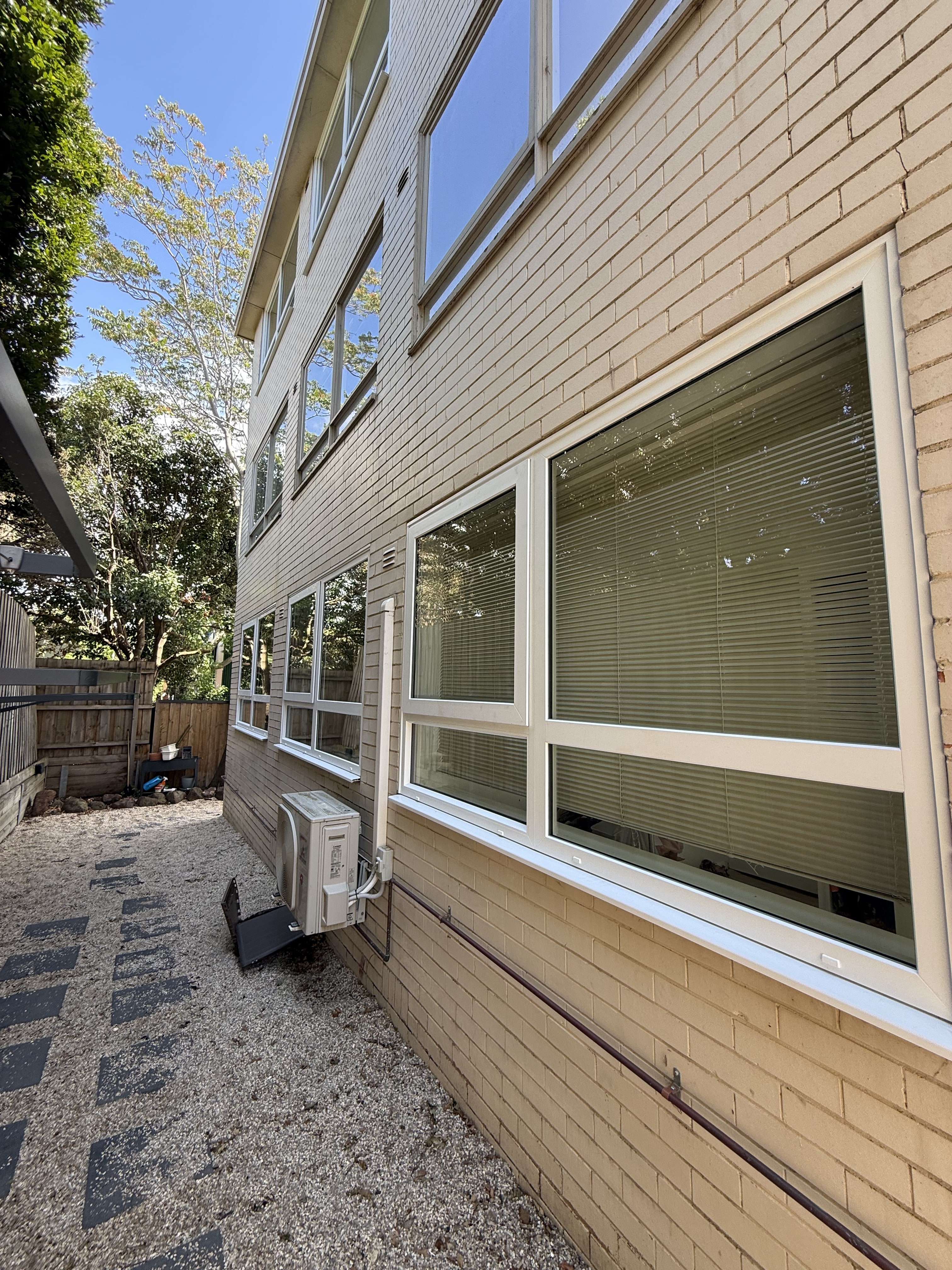


"Vladimir and the team did a fantastic job at our Edwardian house in St Kilda. They were organised, punctual and tidy! The double-glazed windows, a mix of tilt-and-turn and sliding, have made a huge difference to our house."
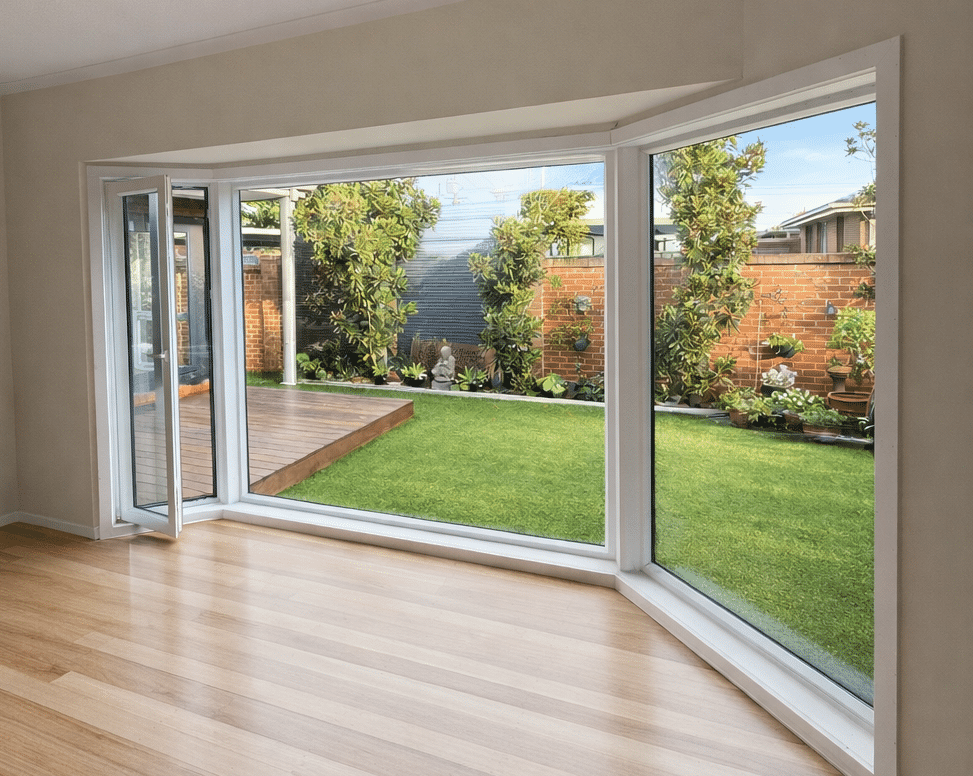
"The services provided by Vladimir of Windows Republic were professional, knowledgeable, friendly and efficient. He supplied and installed double glazing windows for my apartments in Toorak. I will not hesitate to recommend them to others."
"My window is a custom project with very thick glass. The main reason is reducing noise as much as possible. So the job done perfectly. The result is amazing. Thanks to Vladimir and Co."
High-performance uPVC double glazing, the smart upgrade for most Melbourne homes. U-value 1.6–1.7, AS 2047 certified.
Learn More →uPVC double glazed sliding windows, locally manufactured in Cheltenham. Smooth one-hand operation, up to 34 dB noise reduction, 10-year warranty.
Learn More →Complete window replacement service. Remove old aluminium or timber frames and upgrade to modern uPVC double or triple glazing.
Learn More →
We'll respond via email within 24 hours
We'll be in touch within 24 hours.
This window will close automatically