Double Glazed
Sash Windows
Melbourne
The original Melbourne window — reimagined in uPVC with double glazing. Built for period homes. No painting. No swelling. No rot.
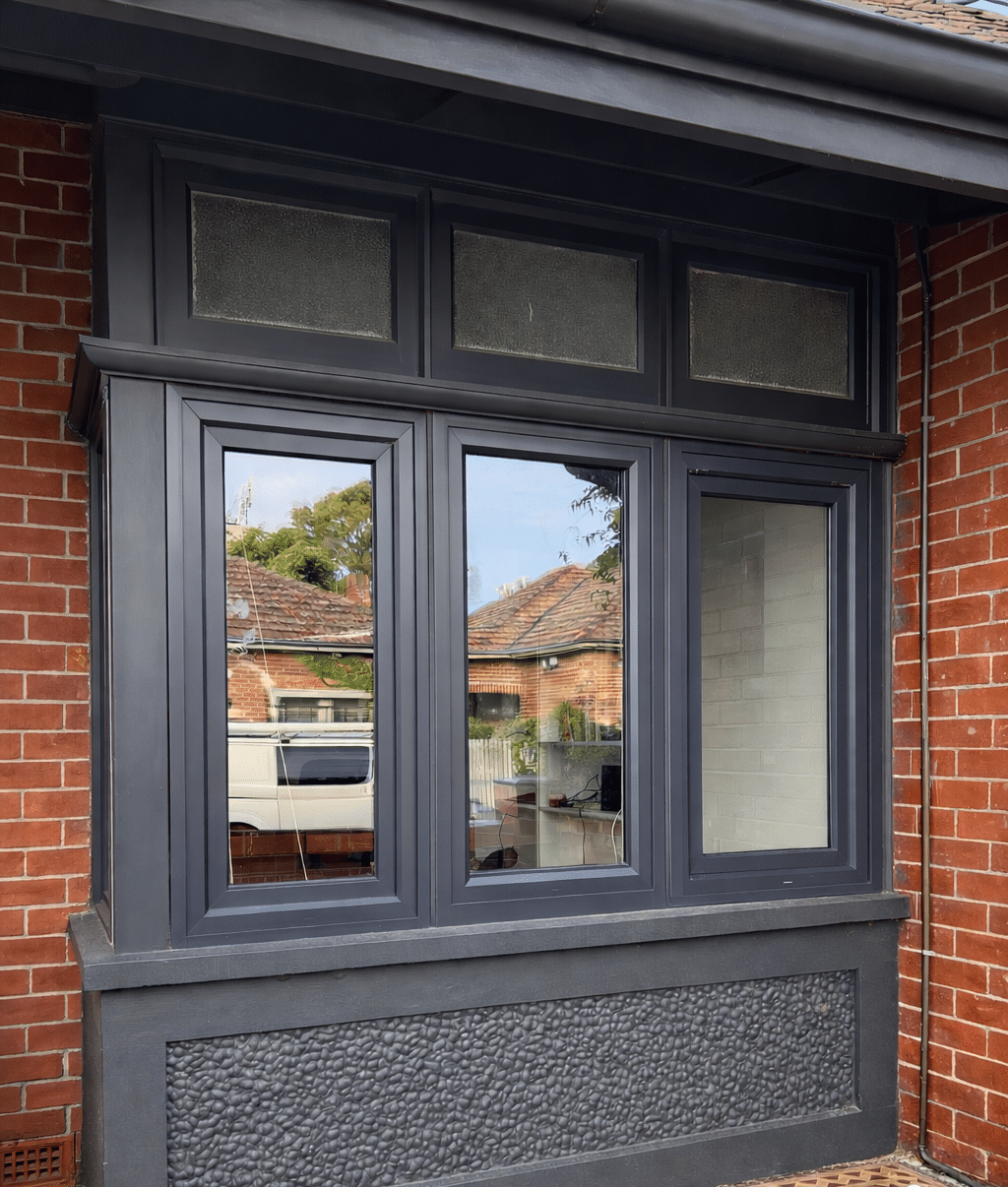
A sash window is the defining window type of Melbourne's Victorian and Edwardian housing stock — traditionally two sliding timber panels in a fixed outer frame. Windows Republic replaces them using a retain-and-insert method: the existing timber outer frame stays, the sliding sashes are removed, and a new uPVC double glazed insert is fitted into the void. The insert can be fixed, casement, awning, or tilt & turn — with an optional decorative transom bar to replicate the original meeting rail appearance. Same look at street level. None of the maintenance.
The Existing Frame Stays. The Sashes Go.
Most Melbourne period homes don't need a full window demolition. In the majority of double hung replacements, Windows Republic retains the existing timber outer frame and inserts a purpose-built uPVC double glazed unit directly into it — reducing cost, disruption, and the risk of disturbing surrounding plaster and renders.
The existing timber outer frame is retained and reused as the rough opening. The sliding sashes are removed, and a new uPVC double glazed frame is fitted precisely into the void. No major demolition. No disturbed plaster.
Timber frame assessed
We inspect the existing outer frame for rot, structural integrity, and squareness. In most Melbourne period homes the outer frame is sound and fully reusable.
Sashes removed
The old sliding sashes, cords, weights, and pulleys are removed. The timber frame void is cleaned and prepared for the insert.
uPVC insert fitted
The new uPVC double glazed frame is manufactured to fit the exact opening and fitted, sealed, and finished within the day in most cases.
One Insert. Four Ways to Open.
Once the uPVC insert is specified for your opening, you choose how it operates. All four styles can include an optional decorative transom bar — a horizontal bar fitted across the sash at mid-height to replicate the meeting rail of the original double hung window. It's cosmetic only; the window opens full height regardless.
Fixed
No opening mechanism — the entire uPVC frame is sealed. Delivers the maximum double glazed area and the best thermal and acoustic performance. Ideal for street-facing windows where ventilation isn't the priority, or where a heritage overlay favours minimal visible hardware. The optional transom bar can be included to maintain the period appearance.
Casement
The sash is hinged on one side and swings outward. Opens the full height of the insert for maximum ventilation. The decorative transom bar sits across the sash face — the window still opens completely regardless. A common choice for bedrooms and living areas in Melbourne period homes.
Awning
Top-hinged; the bottom of the sash swings outward. Can remain open during light Melbourne rain without water entering — a practical advantage. The full sash height opens for ventilation. Suits kitchens, bathrooms, and any room where you want airflow even in variable weather.
Tilt & Turn
A single handle controls two opening modes: tilt the top inward for secure background ventilation, or turn to open the full sash like a casement door for maximum airflow and easy cleaning from inside. The most versatile option — particularly suited to upper-floor windows in Melbourne period homes where external cleaning access is limited.
When included, a horizontal bar is fitted across the face of the sash at approximately mid-height — visually replicating the meeting rail of the original double hung window. It is part of the sash, not the frame. The window opens its full height as normal. It's a period aesthetic detail, not a structural division. You can choose to include it or leave it out.
Timber Sash Windows Had Their Day.
This Is Why Owners Are Replacing Them.
Timber sash windows defined Melbourne's character. They also demand constant attention — and after 100+ years, most are simply failing. uPVC changes the equation entirely.
Timber Single Glazed
- Requires repainting every 3–5 years — lead paint risk in homes built pre-1970
- Swells in Melbourne's humid summers, jams shut or won't close properly
- Rots at the sill and base from Melbourne's seasonal rain exposure
- Single glazing allows heat to pour in during summer and escape in winter
- Condensation forms on the glass face — mould on reveals and sills
- Cord-and-weight mechanisms wear out, sashes drop or won't stay up
- Among the worst-performing window types for thermal and acoustic insulation
uPVC Double Glazed
- Never needs painting — the colour is through the material, not a surface coat
- uPVC is dimensionally stable — no swelling, no jamming, no seasonal movement
- Will not rot, warp, or degrade at the sill regardless of Melbourne's weather
- Double glazed unit dramatically reduces heat transfer in both summer and winter
- Double glazing eliminates cold surface condensation in all but extreme conditions
- Casement and awning hardware operates on precision multi-point locking — smooth, secure, and durable
- Rated lifespan 30+ years with no maintenance beyond an occasional wipe-down
Timber Single Glazed vs uPVC Double Glazed Sash
The performance gap is significant. Here's how the two options compare across the criteria that matter most to Melbourne period home owners.
| Criteria | Timber · Single Glazed | uPVC · Double Glazed |
|---|---|---|
| Thermal Performance | Poor — single pane transfers heat directly. Significant energy loss in both summer and winter. | Excellent — double glazed unit with insulating air/gas gap substantially reduces heat transfer. |
| Maintenance | High — repainting every 3–5 years, cord replacement, swelling and sticking repairs ongoing. | Minimal — wipe down occasionally. No painting, no sanding, no treatment required. |
| Lifespan | Variable — depends entirely on maintenance. Neglected frames deteriorate rapidly. | 30+ years expected lifespan under normal Melbourne conditions. |
| Condensation | Common — cold glass surface causes condensation, leading to mould on sills and reveals. | Greatly reduced — warm inner pane surface prevents condensation in most conditions. |
| Noise Reduction | Poor — single pane provides minimal acoustic insulation from street noise. | Significantly better — double glazing reduces external noise transmission noticeably. |
| Heritage Appearance | Original timber profiles — visually traditional but aging, cracked paint, and rot visible up close. | uPVC profiles replicate traditional sash proportions — indistinguishable at street level. |
Melbourne's Victorian & Edwardian Suburbs
Were Built on Sash Windows
If you own a Victorian or Edwardian terrace, cottage, or Californian bungalow in Melbourne's inner ring, there is a very good chance your windows are — or once were — sash windows. The style defines the streetscape of the suburbs below.
Does uPVC Look Right on a Period Home?
This is the question most period home owners ask first — and rightly so. The short answer is yes. uPVC sash window profiles are designed to replicate the proportions, glazing bar positions, and sightlines of traditional timber sash windows. At street level — where heritage character matters — the visual result is equivalent. The difference is what happens behind the surface: no rot, no peeling paint, no swelling, and a thermally broken double glazed unit performing to modern standards.
Why Traditional Sash Windows Are
Among Melbourne's Worst Performers
Single glazed timber sash windows — even well-maintained ones — are thermal and acoustic liabilities. Adding double glazing transforms the equation.
Thermal Insulation
A single 4mm pane has an R-value close to zero. A double glazed unit with a 12mm air gap delivers roughly four times the thermal resistance — keeping heat out in summer and inside in winter. That's a measurable reduction in heating and cooling costs.
Acoustic Performance
Melbourne's inner suburbs sit in some of the highest traffic noise corridors in Victoria. Timber single glazed sash windows do almost nothing to block street noise. Double glazing — particularly with an asymmetric glass specification — reduces external noise transmission significantly.
Condensation Control
Condensation on old sash windows is a symptom of a cold inner glass surface. In double glazed units, the inner pane stays close to room temperature, eliminating the cold surface that causes water to form. That means no more mould on your window reveals and sills.
Want the detailed cost breakdown? Our dedicated guide covers everything from supply-only pricing to full installation costs across Melbourne. → How Much Do Double Glazed Sash Windows Cost in Melbourne?
Sash Window Questions
Explore More from Windows Republic
Ready to Replace Your Sash Windows?
Windows Republic installs across Melbourne — including Carlton, Fitzroy, Collingwood, Richmond, South Yarra, St Kilda, and all inner suburbs with period housing stock. We measure, manufacture, and install. No middlemen.
Get Your Free Quote