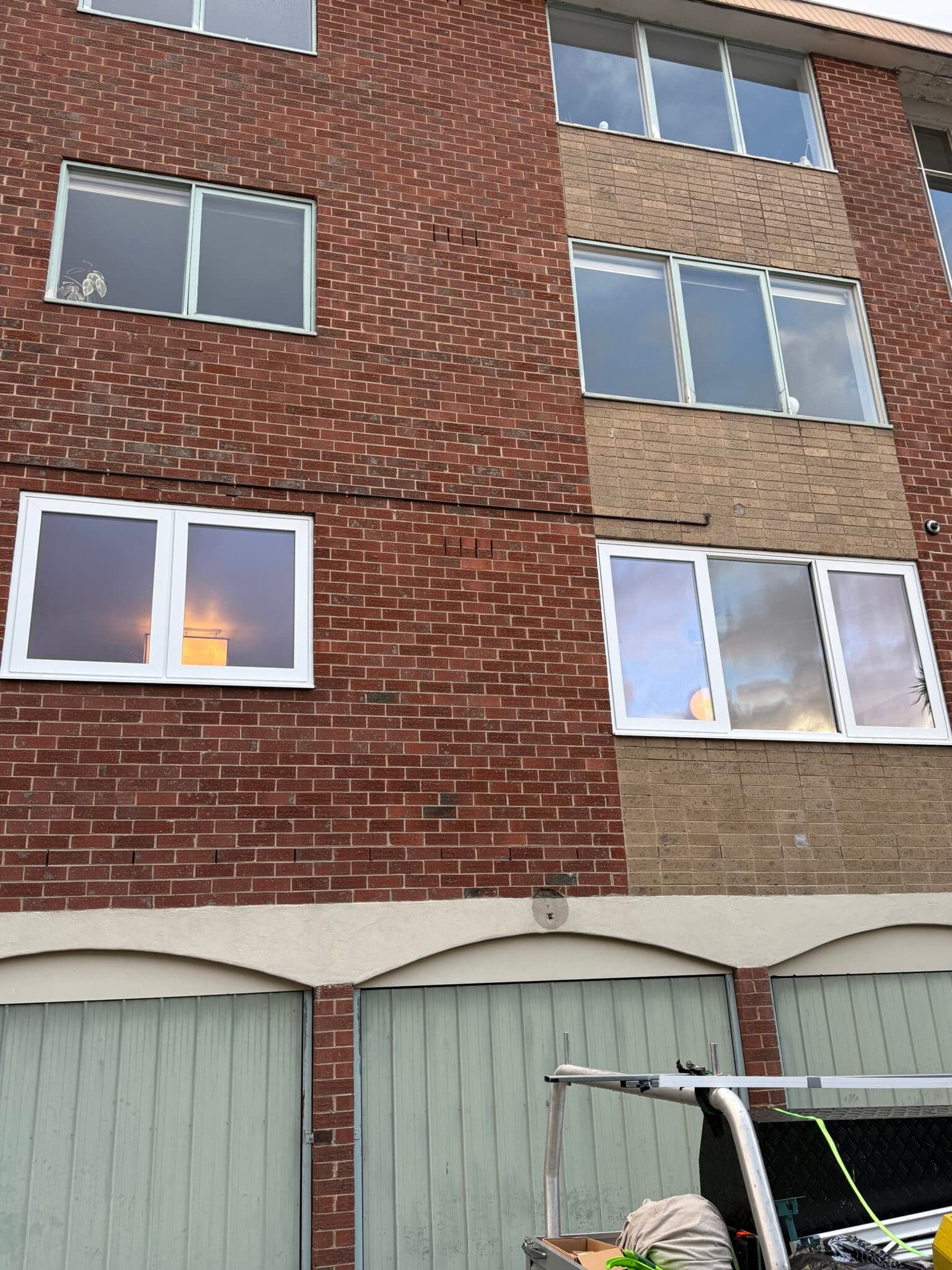
Real replacement costs from 10+ years of Melbourne installations, so you can budget accurately and avoid surprises. Covers frame types, window sizes, price per m², and building scenarios.
Double glazed windows in Melbourne cost $2,300–$3,500 per window fully installed ($1,200–$1,800 per m² installed for standard sizes), or $15,000–$40,000+ for a whole home. uPVC frames deliver the best thermal performance (U-value 1.6–1.7) and lowest long-term maintenance. Pricing varies by window size, frame material, building type, and access complexity.
Planning to replace windows in Melbourne? Understanding the true double glazed windows price Melbourne homeowners actually pay, whether quoted per window or as a double glazed windows price per m², is the first step. Double glazing cost varies widely depending on size, frame material, access, building type, and installation complexity. This guide covers real pricing so you can budget with confidence. Pricing reviewed every 90 days against live Melbourne project data.
Double glazing in Australia costs A$2,200–$3,800 per window fully installed, in Australian dollars, including local manufacturing, on-site measure, professional installation, and warranty. Standard double glazed windows sit at A$2,200–$3,000; premium configurations (acoustic laminated glass, larger sizes, or sliding doors) reach A$3,500–$4,500. A whole-home replacement across a 3-bedroom Australian house typically falls between A$15,000 and A$40,000+ for 10–15 windows. These are 2026 Australian prices. UK and European cost figures don’t apply: Australian glazing is built to AS 2047, AS 1288, and NCC 2025, with locally manufactured frames and Australian-climate-spec glass priced for the local market.
| Typical Window Size | Replacement Cost (Installed) | What's Included |
|---|---|---|
| Openable + Fixed, 1800W × 2100H | $3,000–$3,500 | Full replacement including timber reveals, sealing, disposal & touch-ups |
| Openable + Fixed, 1800W × 1500H | $2,800–$3,200 | Full replacement including timber reveals, sealing, disposal & touch-ups |
| Openable, 900W × 1000H | $2,300–$2,500 | Full replacement including timber reveals, sealing, disposal & touch-ups |
| Sliding Door, 1800W × 2100H | $3,500–$3,900 | Full replacement including timber reveals, sealing, disposal & touch-ups |
Double glazing in Melbourne costs $1,200–$1,800 per square metre fully installed for standard window sizes (1.5 m² and above), based on Windows Republic project data. Smaller windows work out higher per square metre because measure, fabrication, and installation costs apply regardless of size, which is why most Melbourne quotes are provided per window rather than per m².
| Specification | Installed Cost | Notes |
|---|---|---|
| uPVC double glazing (standard, incl. Low-E + argon) | $1,200–$1,800 per m² | Windows 1.5 m² and larger, fully installed |
| Acoustic laminated glass upgrade | Adds 15–30% | Recommended near tram lines, arterials, and flight paths |
| Small windows (under 1.5 m²) | $2,300–$2,500 per window | Priced per window; fixed measure and install costs dominate |
| Whole home (3-bed, 10–15 windows) | $15,000–$40,000+ | Total installed; bulk pricing applies |
If you are comparing supply-only double glazed window pricing for a builder or trade project, contact us directly for a tailored quote.
Prices vary by style and mechanism. Browse the full Windows Republic range to compare each type in detail.
| Window Type | Typical Cost Range (Installed) | Best For |
|---|---|---|
| Fixed (Non-Opening) | $1,800–$2,400 | Feature windows, maximum light, lowest entry price |
| Awning | $2,200–$2,800 | Bathrooms, kitchens; opens outward at top |
| Casement | $2,300–$3,000 | Good ventilation, hinges at side |
| Sliding | $2,200–$2,900 | Budget-friendly, space-saving |
| Tilt & Turn | $2,600–$3,400 | Premium performance: tilt for ventilation, turn for full opening & cleaning |
| Sliding Door | $3,500–$4,500 | Larger glass areas, patio/deck access |
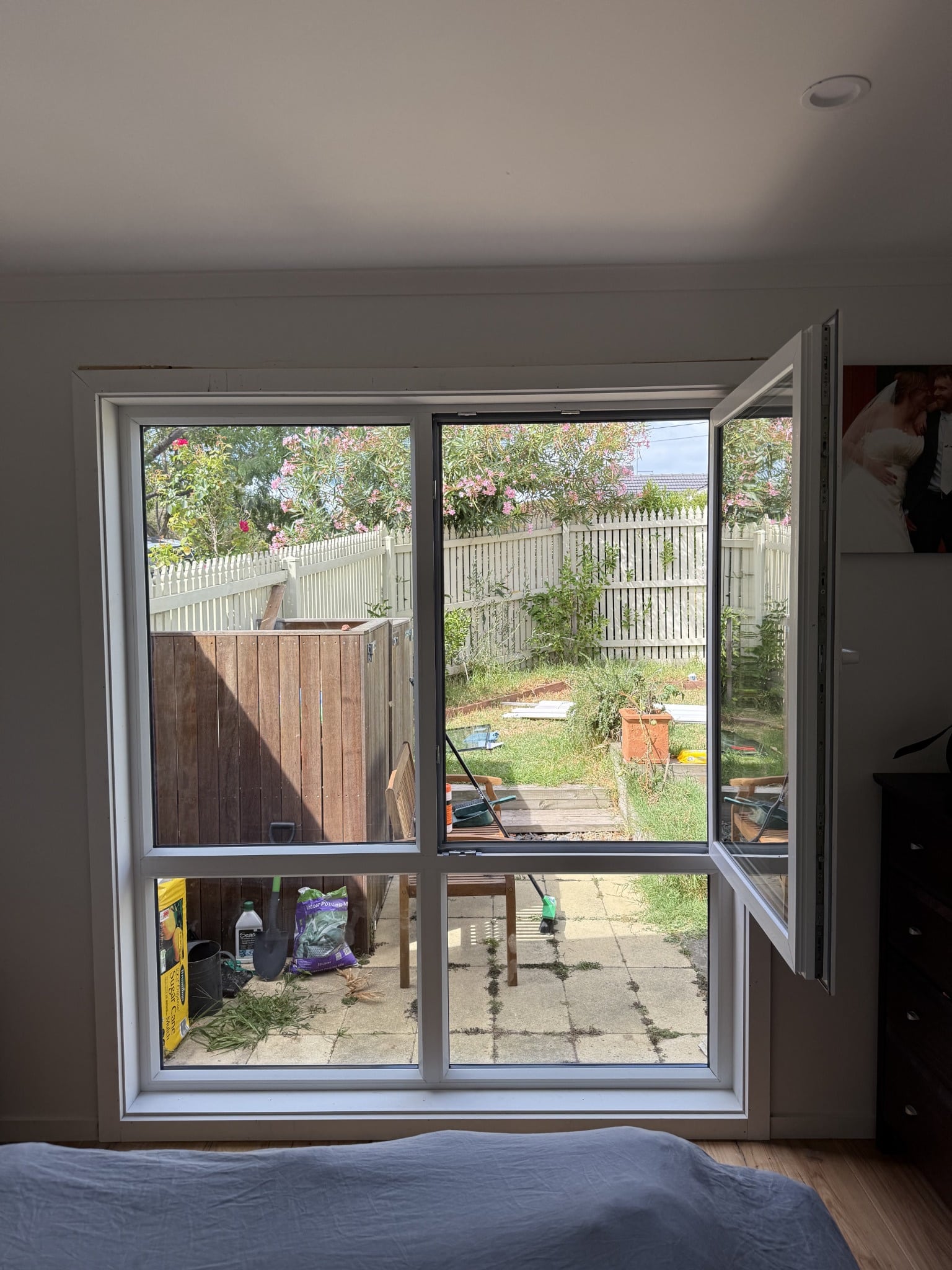
uPVC tilt & turn double glazed window, bedroom installation, Highett Melbourne

Angle view showing slim profile and quality hardware, uPVC double glazing, Highett

uPVC tilt & turn with frosted glass, bathroom installation, Highett Melbourne
The frame material is one of the biggest factors in both double glazed windows price and long-term energy savings. Here's how the three main options compare for Melbourne homes. For a deeper breakdown, see our uPVC vs aluminium double glazed windows comparison, or start with our uPVC explained guide if the material is new to you.
Typical cost Melbourne: $2,300–$3,500+
Higher ongoing maintenance cost over time
Lower U-value = better insulation performance
Replacing all windows in a typical Melbourne home costs between $15,000 and $40,000+ depending on window count, sizes, frame type, and building construction. A compact home with 5–10 windows sits toward the lower end; larger homes with steel-frame windows or upper-storey access will be significantly higher.
Single skin of bricks on a timber frame; most common Melbourne home type
Easiest & Most AffordableSolid double-brick construction; deep reveals allow optimal sealing
Best Performance OutcomeTimber-framed with horizontal cladding; common in older Melbourne suburbs
Standard ComplexityOriginal steel windows in 1950s–70s homes; require specialist removal
Most Complex & ExpensiveAcoustic laminated glass can reduce traffic, aircraft, and street noise by up to 42dB, a significant improvement for inner-city homes
Three panes of glass: best for high-noise locations or premium energy performance
Holds together on impact: improves home security and reduces injury risk
Microscopically thin Low-E coating reflects heat: reduces heating bills in winter, cooling in summer
The Victorian Energy Upgrades program offers point-of-sale double glazing rebates in Melbourne and across Victoria through accredited providers. This energy efficient windows rebate is applied upfront, reducing the out-of-pocket cost to the homeowner at the time of installation. As a guide, the discount for upgrading single glazing to double glazing is up to $210 per 10 m² of window area replaced, per the current VEU schedule.
Eligibility depends on the property type, existing windows, and the specific glazing upgrade being installed. Not all window types or configurations qualify, and the rebate amount varies based on the energy savings the upgrade is projected to deliver.
To check eligibility for your home, visit the Victorian Government VEU window glazing page and use their accredited provider finder to connect with a registered installer in Melbourne.
Every Melbourne home is different. Get a precise, no-obligation quote based on your actual window sizes, frame type, and building construction, no guesswork. Or start by browsing the double glazed windows Melbourne homeowners choose for comfort, noise, and energy performance.
Replacing all windows in a typical Melbourne home usually costs between $15,000 and $40,000+ depending on window count, sizes, frame material, and installation complexity.
Across Australia, double glazed window replacement typically costs $2,300 to $3,500+ per window fully installed. Melbourne pricing is broadly in line with other capital cities.
Yes: double glazing significantly improves thermal comfort, reduces outside noise, lowers energy bills, and increases property value, particularly important in Melbourne's variable climate. See which window upgrades actually matter for the real-world impact of each.
The cost reflects made-to-order manufacturing, precision insulated glass units, premium hardware, professional installation labour, and the finishing work (reveals, sealing, touch-ups) required for a complete replacement.
Fixed (non-opening) windows are the most affordable, typically from $1,800 installed. Sliding windows are the next most affordable among openable types.
Yes: properly installed double glazing can reduce outside noise by up to 42dB, depending on glass thickness, acoustic specification, and sealing quality.
High-quality uPVC double glazed window systems typically last 30+ years with minimal maintenance. Unlike timber, uPVC frames do not require painting or re-finishing.
Most standard like-for-like replacements do not require council permits. Exceptions apply if your home has a heritage overlay or if structural changes are involved. All replacement windows must comply with the National Construction Code (NCC).
uPVC frames offer the best insulation and energy efficiency for Australian conditions, with U-values of 1.6–1.7. They deliver the strongest long-term performance and lowest maintenance cost for Melbourne's climate.
Triple glazing is usually recommended for high-noise locations or premium builds where maximum thermal performance is the priority. For most Melbourne homes, high-quality double glazing delivers excellent value.
Yes: most Melbourne homes including brick veneer, double brick, weatherboard, and terrace houses can be upgraded. Homes with original steel-frame windows can also be upgraded, though this involves additional complexity and cost.
Yes: the Victorian Energy Upgrades (VEU) program offers a point-of-sale double glazing rebate for eligible Melbourne and Victoria homeowners. The discount is applied at the time of installation through an accredited provider. Eligibility depends on your property type, existing windows, and the specific upgrade. Visit the Victorian Government VEU page to check current details.
Not true double glazing. A factory-sealed insulated glass unit (IGU) with argon fill and a desiccant strip cannot be assembled on-site; it requires manufacturing equipment and a sealed environment. What's sold as "DIY double glazing" is actually secondary glazing: a separate acrylic or glass panel fitted inside the existing window with magnetic, clip-in, or adhesive strips. It improves performance modestly but leaves the original frame, seals, and rough opening untouched.
DIY secondary glazing kits typically cost $150–$300 per window for a basic acrylic panel. Branded magnetic systems (Magnetite, Stormwise) cost $300–$500 per square metre supply-only. Compare to full uPVC double glazing replacement at $2,300–$3,500 per window installed.
Worth it for rentals, single problem rooms, heritage homes with planning restrictions, and short-term stays. For owner-occupiers staying 5+ years, full uPVC double glazing replacement typically pays back faster through energy savings, condensation elimination, and a 30+ year frame lifespan. DIY also doesn't qualify for NatHERS energy-rating credits or contribute to NCC 2025 compliance. See our full secondary glazing vs double glazing comparison for honest cost and performance trade-offs.
Yes. Custom and non-standard colours, as well as dual-colour frames (different colour inside vs. outside), typically cost more than standard white or off-white.
Yes. Larger glass areas, heavier frames, track systems, and more complex installation contribute to higher costs, typically $3,500–$4,500+ for a standard sliding door fully installed.
The three biggest cost drivers are: (1) difficult access; (2) steel window frames; and (3) high-performance glass upgrades such as acoustic laminated or triple glazing.
Yes. Deep wall cavities in double-brick homes allow for optimal sealing and insulation performance, resulting in the best thermal outcome of any Melbourne construction type.
Most Melbourne homes can be completed in 2–5 days depending on window count and complexity. Single-window replacements can often be completed in a single day.
Yes: energy-efficient upgrades are highly desirable to buyers in Melbourne's competitive property market. Double glazing improves your home's energy star rating and is a visible, appealing upgrade.
Yes, individual window replacements are possible. However, replacing multiple windows in a single project reduces the cost per window due to reduced set-up, travel, and handling costs.
Acoustic laminated glass with different pane thicknesses performs best by disrupting sound wave resonance. Specialist acoustic double glazing can achieve reductions of up to 42dB.
They significantly reduce condensation by keeping the inner glass pane closer to room temperature, meaning dramatically less moisture, mould risk, and window streaking in Melbourne winters.
Yes: uPVC frames require zero painting or ongoing maintenance unlike timber. Combined with superior thermal insulation, the total cost of ownership for uPVC double glazing is typically lower over a 20+ year lifespan.
Windows Republic delivers double glazed window installations across Melbourne metropolitan suburbs. View pricing and availability for your area:
We also service these Melbourne suburbs:
Don't see your suburb? We service all Melbourne metropolitan areas. Get a quote for your address →


We'll respond via email within 24 hours
We'll be in touch within 24 hours.
This window will close automatically