3 Myths About Double Glazed Windows in Melbourne (Answered by Experts)
Double glazed windows are one of the most effective upgrades for improving energy efficiency, noise reduction and comfort in Melbourne homes. However, several myths still prevent homeowners from making informed decisions.
Below are the three most common misconceptions — explained clearly.
Do You Need Council Permission to Install Double Glazed Windows in Melbourne?
In most cases, no. Replacing existing windows with double glazed windows of the same size and configuration is typically considered a like-for-like upgrade and does not require a building permit in Victoria.
Most Melbourne councils treat window replacement as a repair rather than a structural change.
When is council approval required?
You may need approval if you:
Change the size of the window opening
Modify load-bearing walls
Alter the building façade significantly
Own a heritage-listed property
If you are simply upgrading to energy-efficient double glazed windows within the same frame opening, council approval is usually not required.
What Is the Difference Between Secondary Glazing and Double Glazed Windows?
Secondary glazing adds an extra pane to your existing window. Double glazing replaces the entire unit with two sealed panes separated by an air or argon-filled cavity.
The performance difference is significant.
Secondary glazing:
Uses existing frames
Lower upfront cost
Moderate noise reduction
Can still experience condensation
Double glazed windows:
Completely new sealed unit
Superior insulation
Stronger acoustic reduction
Better condensation control
Longer lifespan
For Melbourne homes near traffic, main roads, or fluctuating temperatures, professionally installed double glazed windows deliver better long-term performance.
Are uPVC Double Glazed Windows Environmentally Friendly?
Yes. Modern uPVC window systems are durable, recyclable and energy-efficient.
Unlike older PVC materials, high-quality uPVC used in double glazed windows does not contain harmful plasticisers such as BPA and is engineered for long-term stability.
Environmental benefits of uPVC double glazing:
Reduces heating and cooling energy use
Lowers long-term carbon emissions
Lasts decades without deterioration
Requires minimal maintenance
Fully recyclable at end of life
Research from Australian bodies such as CSIRO confirms that modern uPVC window systems perform comparably to other materials in environmental assessments.
Because double glazed windows reduce household energy consumption, they contribute positively to sustainable living in Melbourne’s climate.
Why Double Glazed Windows Are Worth It in Melbourne
Installing double glazed windows in Melbourne provides:
Improved thermal insulation
Reduced outside noise
Lower energy bills
Increased property value
Better indoor comfort year-round
With Melbourne’s hot summers and cold winters, energy-efficient window systems significantly improve overall home performance.
You May Be Interested
Other Articles
Double Glazed windows, a win for the environment!
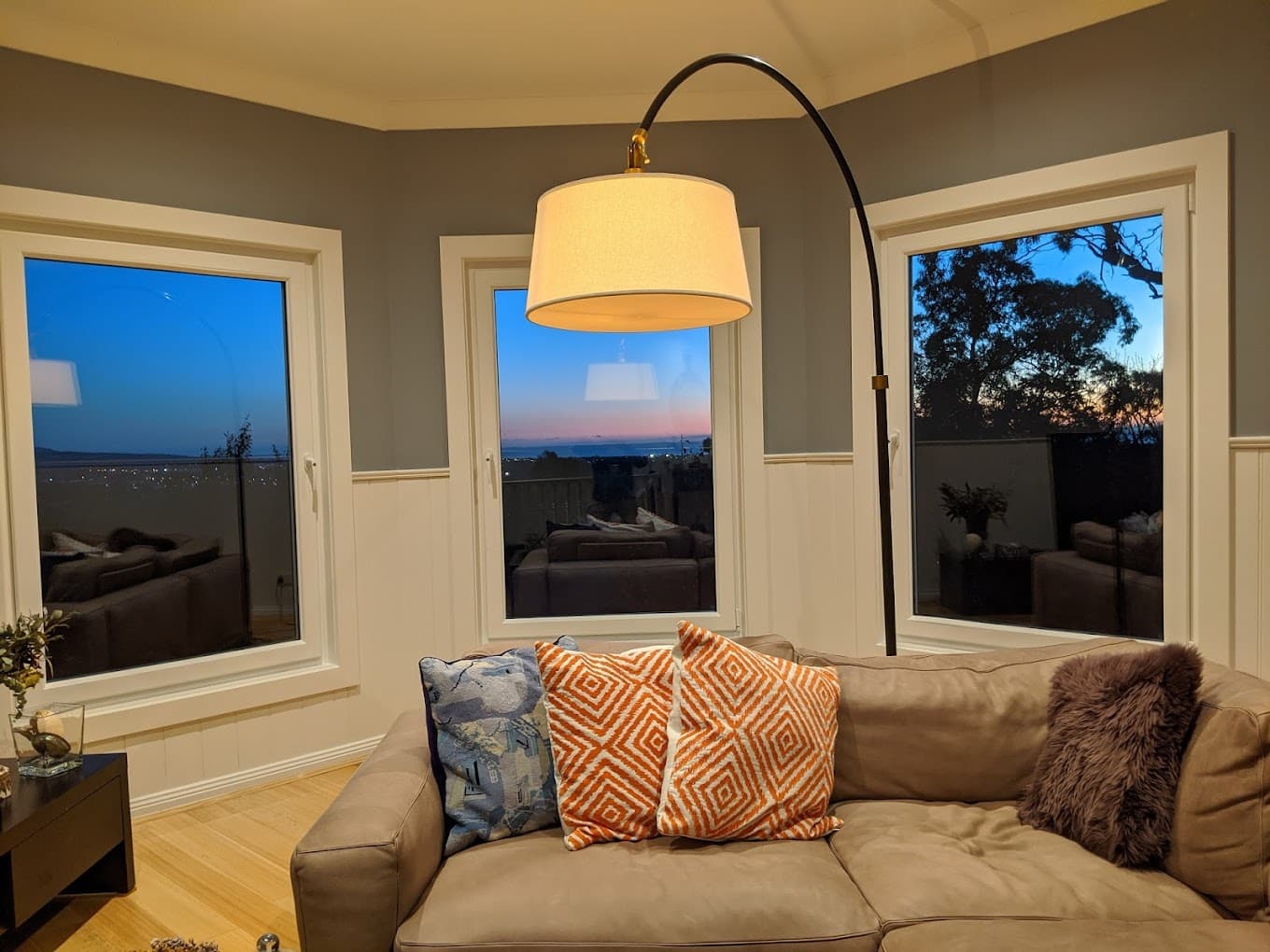
Double Glazing vs Single Glazing: What’s The Difference?
How To Clean And Take Care Of Your Double Glazed Windows
